- What we do
- Our impact
- The Policy Centre
Pledge your support
Help us represent the SME voice and join us in shaping the sector.
- Research & insights
- Training & funding
- Tools & resources
- Alliance
- Skills Awards

Celebrating T Levels and the value they bring to engineering and manufacturing
Date
19/10/2026
Category
Insights , News
T Levels Week celebrates the opportunities technical education creates for young people and the role it plays in developing the skills the UK needs for the future.
At Enginuity, we’re championing the value of T Levels and the role they can play in supporting the next generation of engineering and manufacturing talent.
What are T Levels?
T Levels are two-year technical qualifications for 16 to 19-year-olds in England, designed in collaboration with employers to help young people develop the knowledge and skills needed for skilled employment.
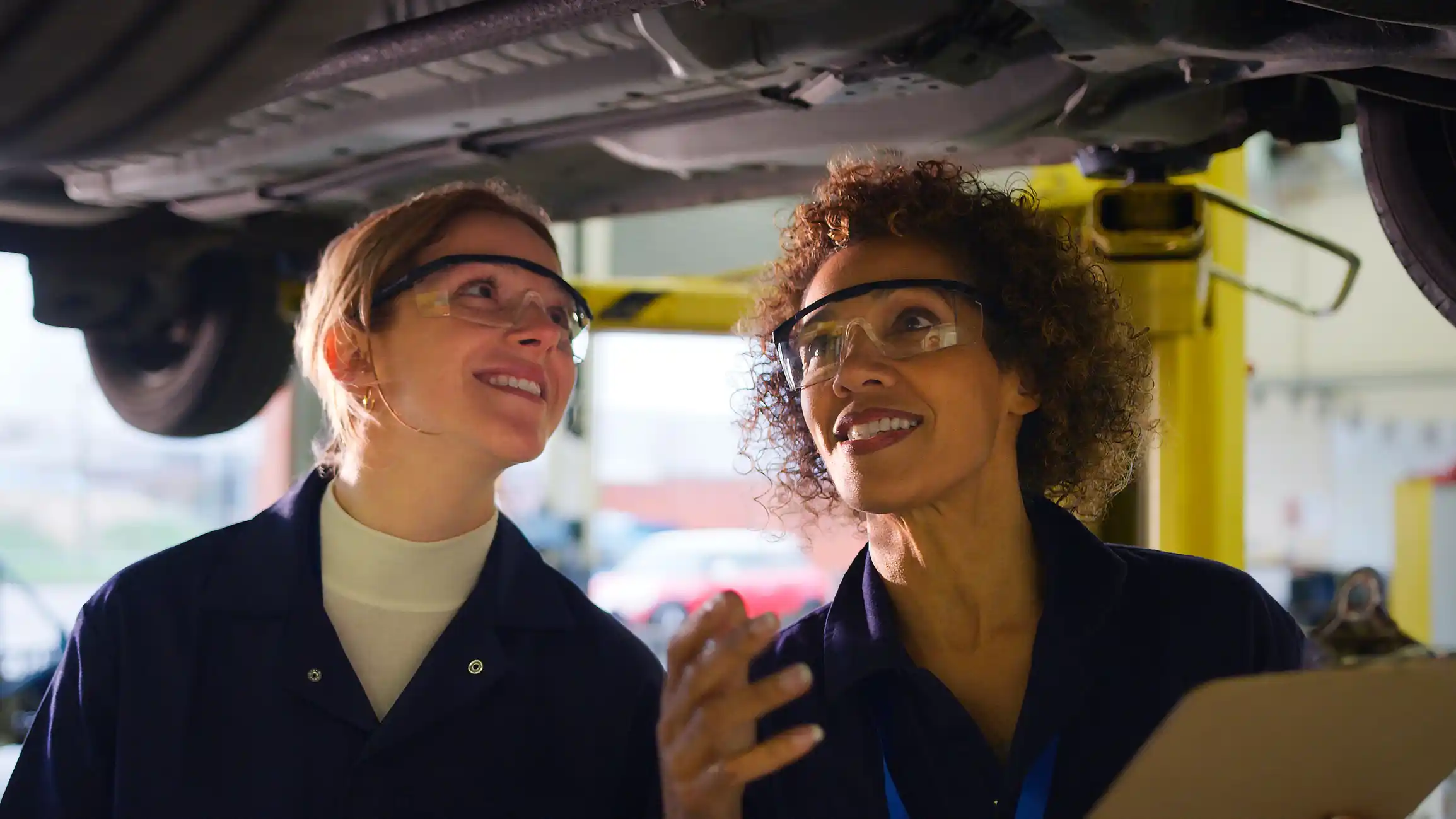
Equivalent in size to three A Levels, they combine classroom learning with an industry placement of at least 315 hours. This allows learners to apply what they’ve learned in a workplace setting, build confidence and gain a clearer understanding of their chosen career.
For engineering and manufacturing, this combination of technical knowledge and practical experience can help young people understand the range of roles available, from design and production to maintenance and emerging technologies.
T Levels also offer progression routes into further study, higher-level technical training or employment, giving learners different options as they take their next steps.
How Enginuity is championing T Levels
At Enginuity, we’re committed to helping close skills gaps across UK engineering and manufacturing by supporting the development of the right skills, at the right time. Technical qualifications such as T Levels play an important role in this, helping bring education and employers closer together.
Through our T Levels awareness work with the Gatsby Charitable Foundation, we’re helping engineering and manufacturing employers understand the value of industry placements and how they can get involved.
We’ve shared examples of employers hosting T Level students, including Redpack Machinery, R&B Switchgear Group and Rigging Projects. These stories highlight how industry placements can give young people practical workplace experience while helping employers identify and develop future talent. Our guidance also helps businesses understand T Levels and explore how placements could work for them.
By sharing these experiences and raising awareness of technical pathways, we want to encourage more employers to engage with T Levels and help more young people explore careers in engineering and manufacturing.
The value of T Levels for engineering and manufacturing
Engineering and manufacturing rely on people with a broad range of technical knowledge, practical skills and problem-solving abilities. As technology develops and the sector continues to evolve, helping young people build these capabilities is increasingly important.
T Levels can help bridge the gap between education and employment by giving learners an insight into workplace expectations and the chance to apply their learning in practice. Industry placements can also help employers engage with emerging talent, share their expertise and introduce young people to the opportunities within their businesses.
For learners, this experience can build confidence, develop workplace skills and help them make informed decisions about their futures. For employers, it provides an opportunity to contribute to skills development and help shape a workforce equipped for the challenges ahead.
Making these opportunities accessible and visible is an important part of building a stronger talent pipeline for the sector.
Celebrating the future of technical education
This T Levels Week, we’re celebrating the learners, educators, employers and partners helping to make these opportunities possible. By continuing to champion technical education and strengthen the links between learning and work, we can help more young people take their next steps and support the future skills needs of UK engineering and manufacturing.
Find out how to get the most out of T LevelsMore news