- What we do
- Our impact
- The Policy Centre
Pledge your support
Help us represent the SME voice and join us in shaping the sector.
- Research & insights
- Training & funding
- Tools & resources
- Alliance
- Skills Awards
Skills for the future: Closing the gap between the classroom and the real world
Date
25/11/2026
Category
Insights
Thought leadership authored by Amie Bridson, Strategic Growth & Sector Engagement Manager at Enginuity
Sometimes the most powerful insight from a college visit comes not from the technology on display, but from the stories of the students using it.
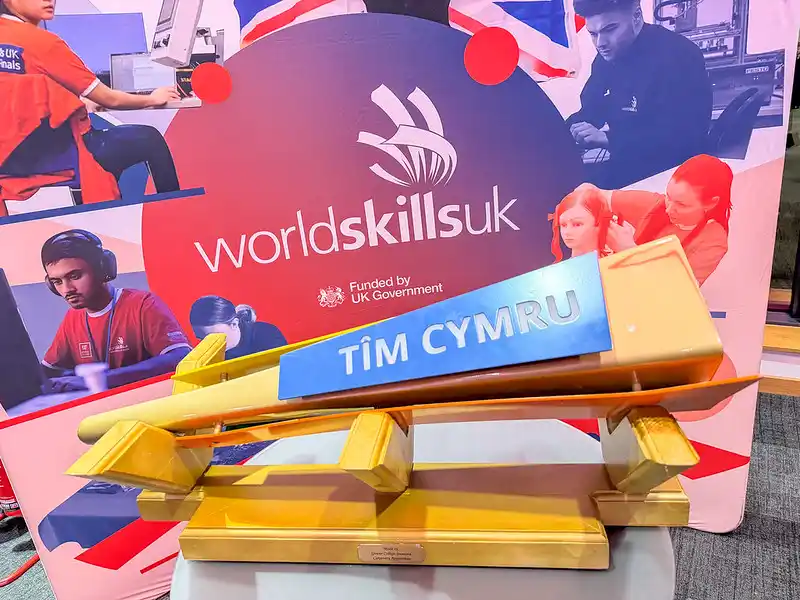
During a recent visit to Coleg Gwent’s Newport campus, as part of Enginuity’s support for WorldSkills UK and SkillWeld, I had the opportunity to see engineering and manufacturing education being brought to life.
And there was plenty to see.
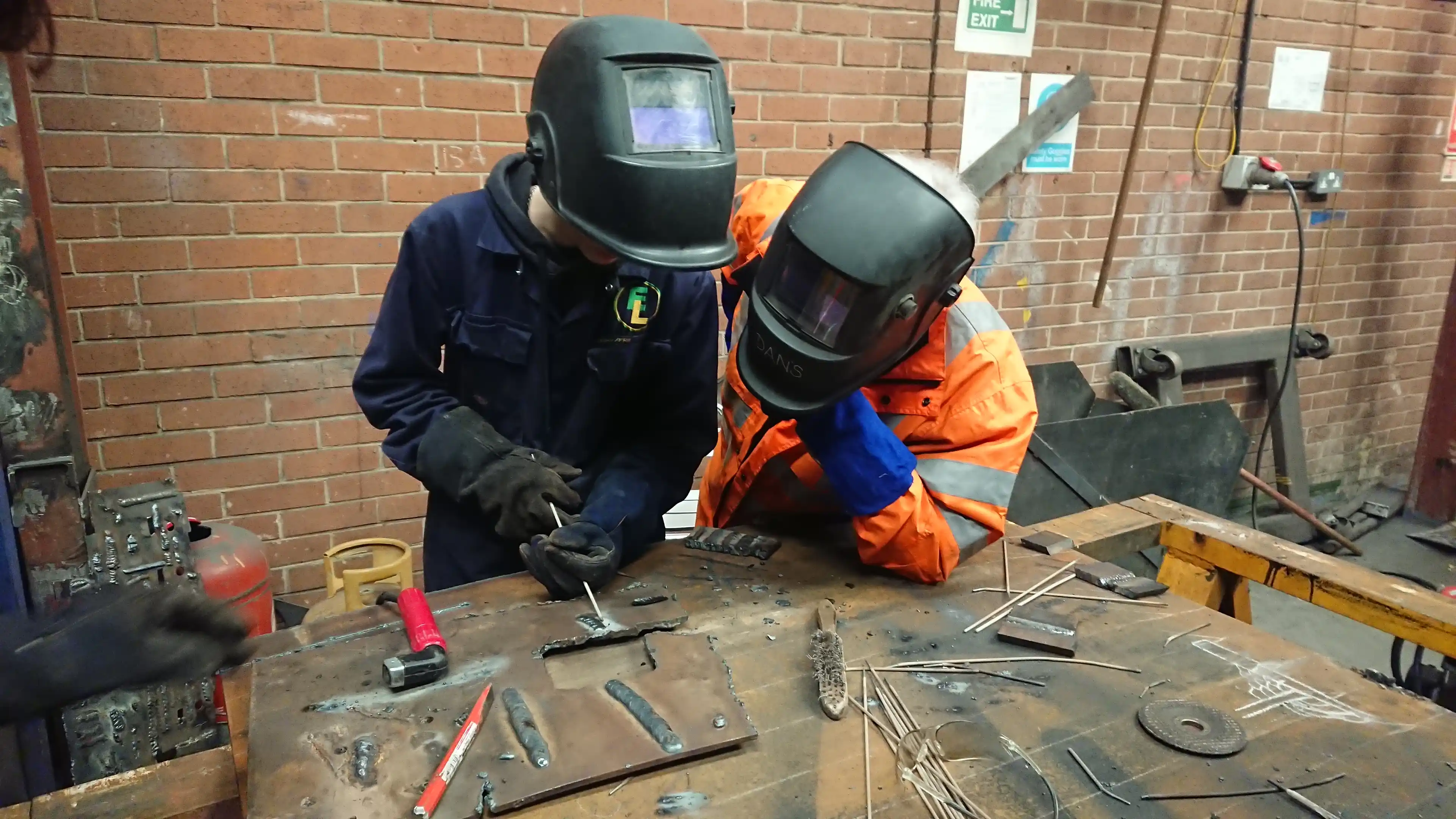
From Seabery virtual welding technology, through to Formula-style race cars, virtual fabrication experiences, CNC machining and 3D printing, the facilities demonstrated just how far technical education has moved on. Students can experience pathways spanning automotive, HGV, motorsport, mechanics, fabrication and welding, advanced manufacturing and engineering design.
But what struck me most wasn't simply the equipment.
It was how people discover these careers in the first place.
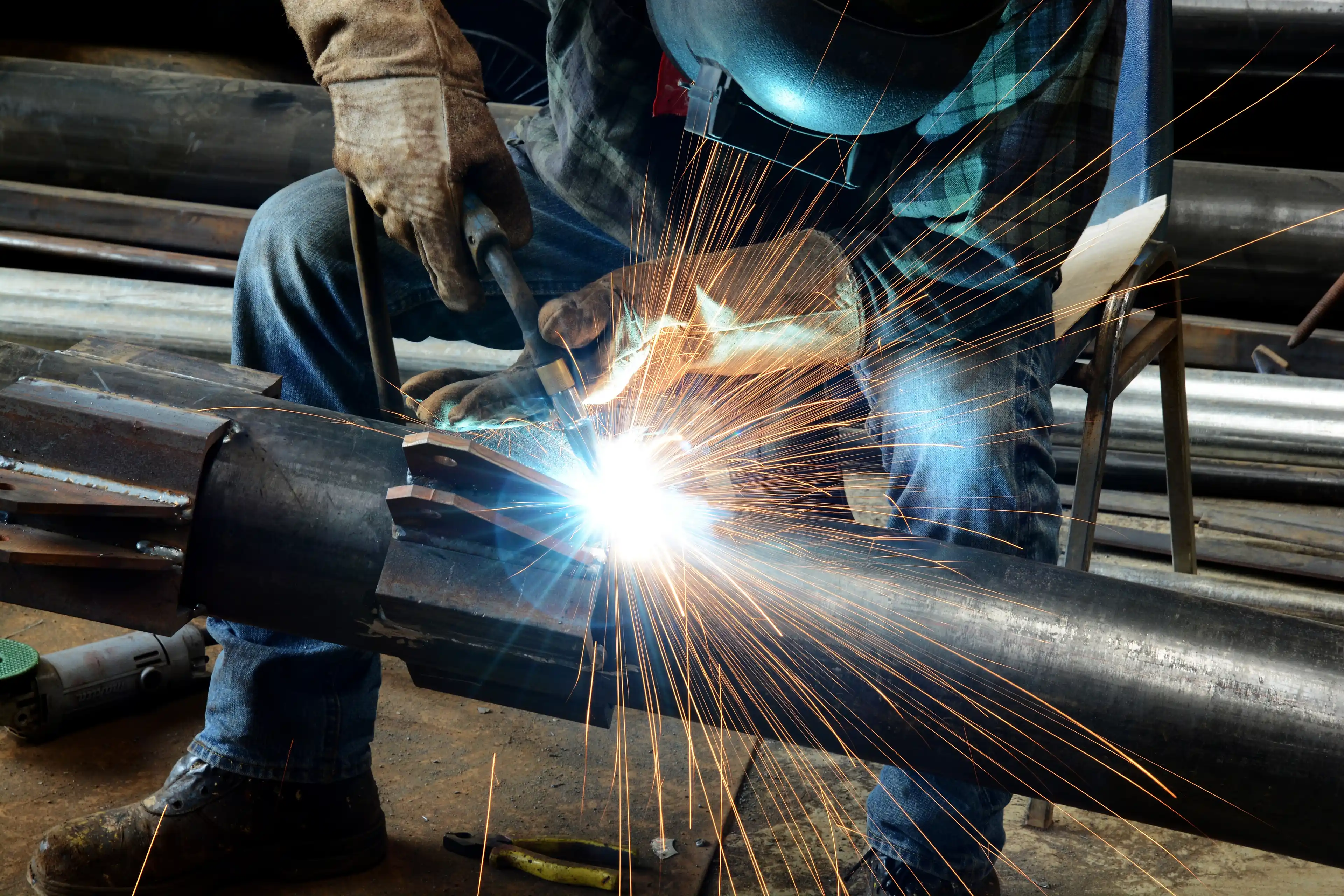
One fabrication and welding student told me they had first become interested in welding after seeing it on TikTok. Others had discovered their current course by attending a college open day, often without previously considering that engineering or manufacturing might be for them.
That should make everyone involved in the UK's skills agenda stop and think.
Talent cannot choose a career it doesn't know exists
We often talk about the engineering and manufacturing skills gap in terms of vacancies, qualifications and shortages.
But there is an earlier challenge.
Awareness.
If a young person has never experienced welding, CNC machining, advanced manufacturing or motorsport engineering, how can we realistically expect them to imagine themselves building a career in it? This is where Enginuity's 'influence the influencers' work comes in.
That's why accessible entry routes matter.
Coleg Gwent supports learners from Entry Level through Levels 1–3, providing opportunities for people who may never previously have considered engineering to try something, develop core skills and progress.
Start with the first principles. Build confidence. Develop technical capability. Then create clear routes into higher-level learning, apprenticeships and employment.
It sounds simple, but it is an important part of widening the engineering talent pipeline.
Education is getting closer to industry. Now industry needs to get closer to education.
The facilities I saw demonstrate how colleges are working hard to recreate modern engineering environments.
But equipment alone cannot replicate the workplace.
Conversations with college staff highlighted very real challenges around workshop funding, maintaining increasingly sophisticated equipment and, importantly, accessing employers who can help connect learning with the reality of work.
That final connection matters enormously.
Young people need opportunities to meet employers, understand real jobs, work on genuine industrial challenges and see how the skills they are developing translate into a career.
And colleges need industry alongside them.
Not simply at the recruitment stage, but upstream, helping shape experiences, provide industry insight, offer mentoring and workplace exposure, and ensure curriculum and equipment continue to reflect a rapidly changing sector.
Closing the skills gap cannot be something education solves and industry benefits from afterwards.
It has to be a shared endeavour.
Competitions can create a lasting skills legacy
This is also where initiatives such as WorldSkills UK and SkillWeld have value far beyond the competition itself.
Competition environments give learners the chance to test themselves against demanding standards while showcasing technical careers in an exciting, visible and tangible way.
I was particularly interested to hear that competition equipment is reused within the college afterwards, extending its value to future cohorts.
That's the kind of thinking we need more of.
The legacy of a skills competition shouldn't finish when the medals are awarded. It should live on through the equipment, knowledge, employer relationships and inspiration created around it.
It can also be seen in the learners who keep coming back. The fact that competitors return year after year, whether to improve on a previous result or take on a more advanced challenge, shows how these experiences can encourage continued skills development and progression. The competitions become part of a longer learning journey, rather than a one-off experience.
That's another important part of the lasting skills legacy these initiatives can create.
AI can't swing a hammer
One comment from a tutor during the visit stayed with me:
"AI can't swing a hammer."
It's deliberately provocative, but there is an important point behind it.
AI, automation and advanced technologies will undoubtedly reshape British engineering and manufacturing. But they don't remove the need for practical skills. They change the environment in which those skills are applied.
The workforce of the future will need to combine technical competence, digital capability, problem-solving and hands-on expertise.
Our challenge is therefore bigger than simply filling today's vacancies.
We need to give people strong foundations while preparing them for technologies and jobs that will continue to evolve throughout their careers.
The next step is connection
I left Coleg Gwent positive about what I saw.
Education is getting closer to the real world of engineering and manufacturing.
But we can, and need to, go further.
For me, closing the UK's engineering and manufacturing skills gap requires three things to connect much more deliberately:
Inspiration, education and employment.
We need to help more people discover the opportunities.
We need colleges and training providers with the facilities and resources to help them develop the right skills.
And we need employers engaged early enough to turn those skills into meaningful pathways to work.
At Enginuity, our role is to help strengthen those connections across employers, educators, learners and the wider skills system.
Because if someone can discover welding through a TikTok video and walk through the doors of a college into a completely new career pathway, imagine what we could achieve if industry and education worked together to make those opportunities visible to thousands more.
That's how we start turning the skills gap into a skills opportunity.
Find out more about WorldSkills UK Connect with Amie on LinkedInMore news