
- What we do
- Our impact
- The Policy Centre
Pledge your support
Help us represent the SME voice and join us in shaping the sector.
- Research & insights
- Training & funding
- Tools & resources
- Alliance
- Skills Awards
Supply chain resilience
For engineering and manufacturing SMEs, supply chains have become a source not just of cost and efficiency, but of risk, resilience and competitive advantage. Explore our quick guide for engineering and manufacturing SMEs to make your supply chains more resilient.
The importance of supply chain resilience
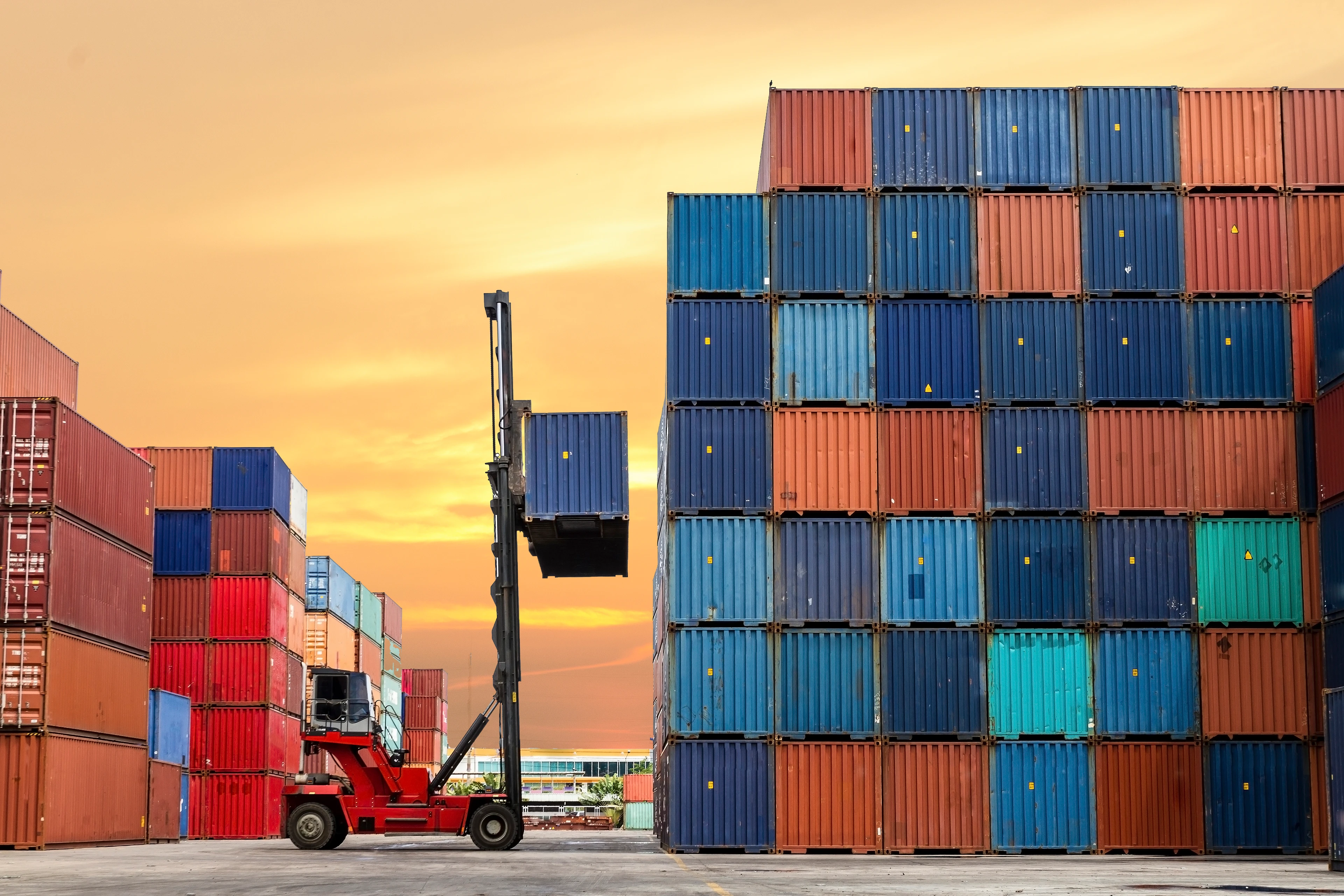
Brexit, COVID-19, geopolitical instability, energy price volatility and growing sustainability demands have all exposed how vulnerable supply networks can be. At the same time, customers increasingly expect suppliers to demonstrate reliability, traceability, digital integration and environmental awareness. That means supply chain resilience is no longer a specialist issue. It is now a core business capability.
Within the Future Skills Hub, Supply chain resilience sits alongside Cybersecurity as part of Digital & Systems Resilience — the operational backbone that helps SMEs stay productive, responsive and competitive in an uncertain world.
Why supply chain resilience matters now
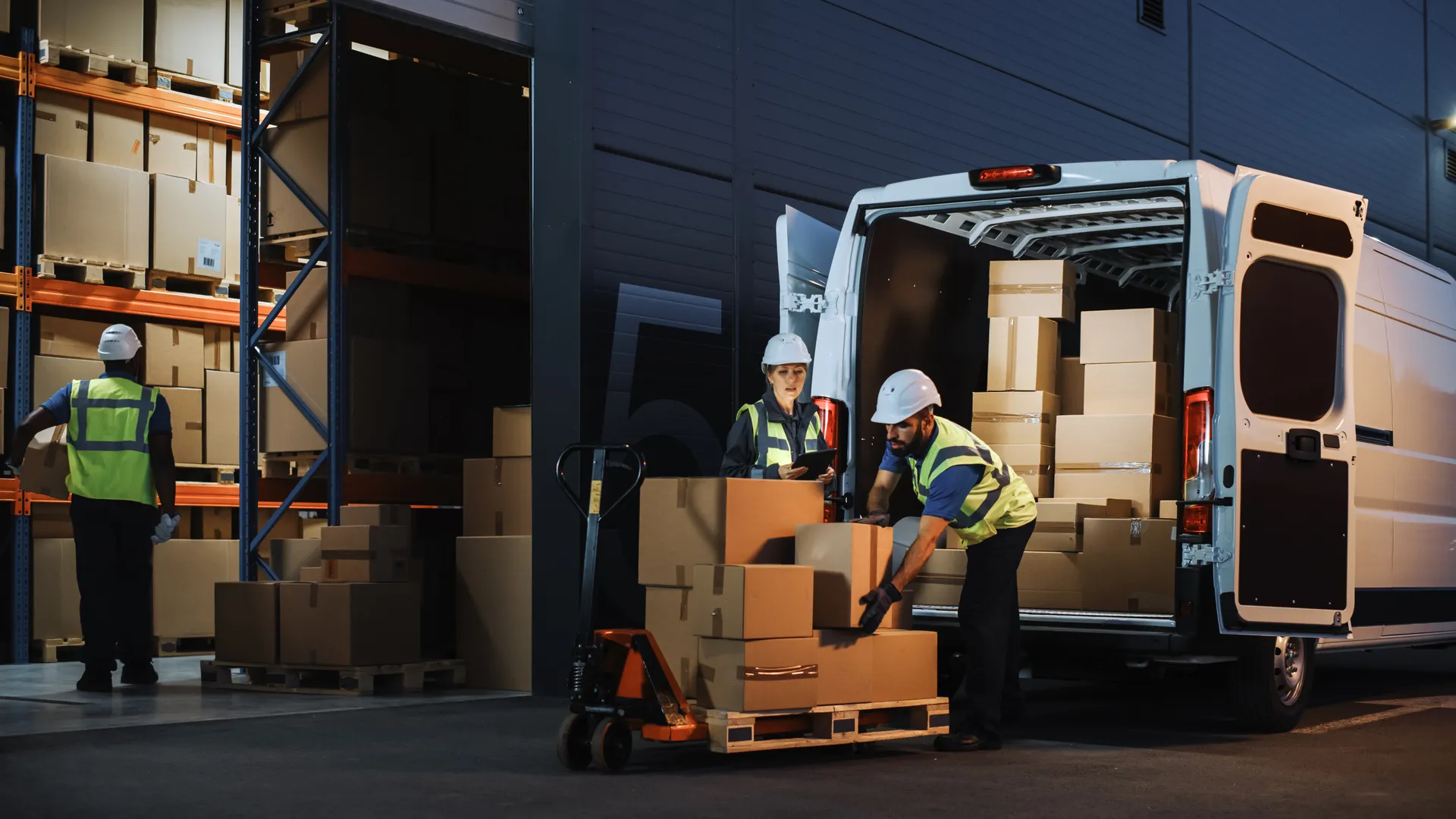
Many SMEs still manage supply chains in ways shaped by a more stable era: a small number of trusted suppliers, limited visibility beyond Tier 1, and a strong focus on lowest cost. That model is under pressure.
Today’s supply-chain challenges include disruption to overseas sourcing, longer and more variable lead times, customs and logistics complexity, pressure for traceability and digital data sharing, and growing sustainability and carbon reporting requirements. The commercial consequences of disruption can be significant, including the costs of business interruption and the continuing issue of under-insurance.
Supply-chain resilience is therefore no longer just about keeping deliveries moving. It is increasingly about protecting cash flow, customer confidence and long-term viability.
What resilient supply chains look like
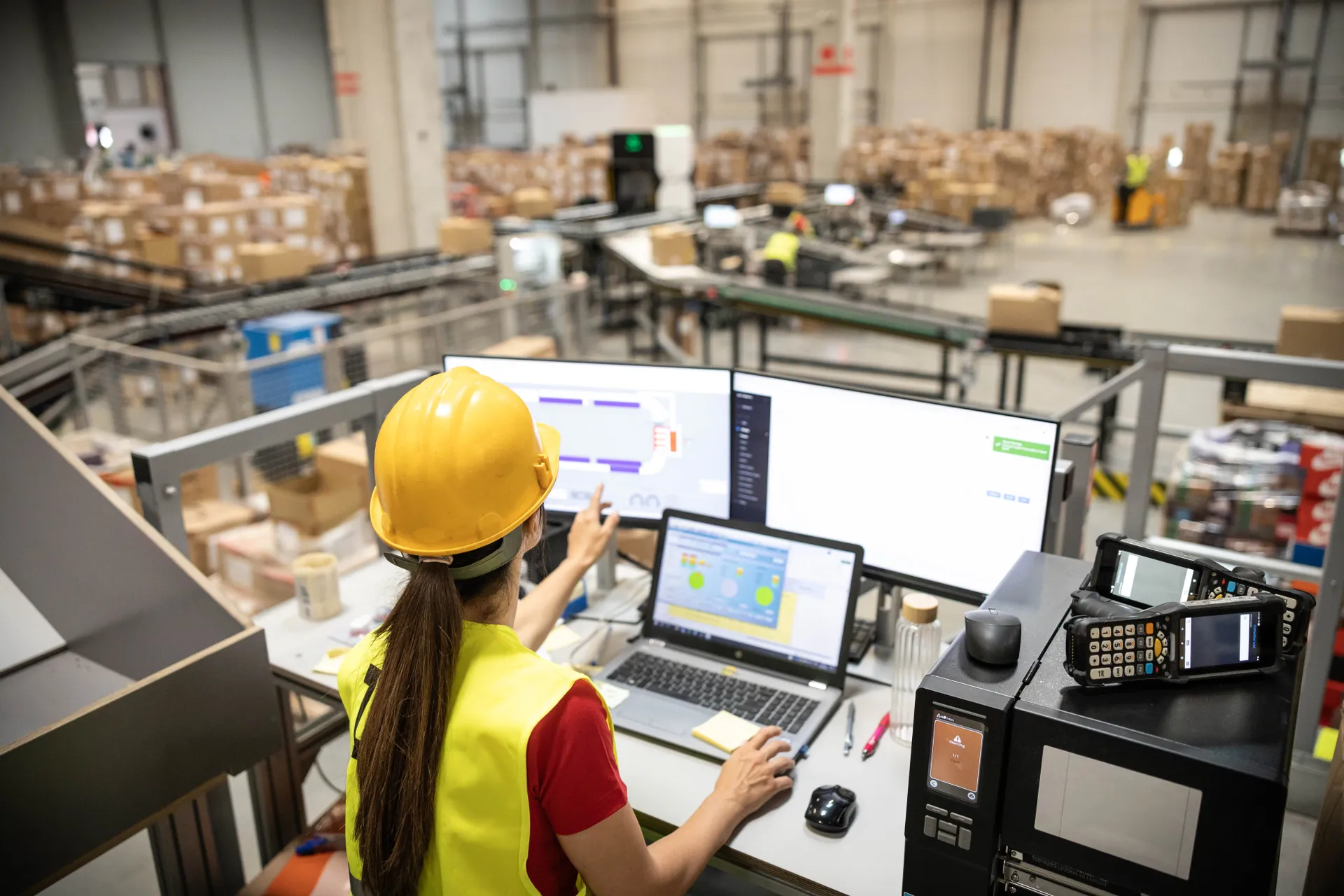
A resilient supply chain is not one that avoids all disruption. It is one that can anticipate problems, adapt quickly and recover effectively. For SMEs, this usually means improving capability in five areas.
Supply chain visibility
Knowing where materials, components and risks sit across the supply chain.
Risk awareness
Understanding vulnerabilities such as single-source suppliers, long lead times, customs exposure or supplier financial weakness.
Digital integration
Using systems such as ERP, MRP and supplier portals to improve planning, traceability and decision-making.
Supplier relationships
Building stronger, more collaborative relationships with key suppliers rather than treating procurement as purely transactional.
Sustainability and compliance
Responding to growing customer expectations around carbon, waste, responsible sourcing and supply chain transparency.
Capabilities that matter most
Supply chain resilience depends on more than procurement. It draws on a mix of commercial, operational and digital capabilities across the business.
In most SMEs, these skills are spread across leadership, operations, procurement and engineering roles rather than sitting in one dedicated function:
1. Risk assessment and resilience thinking
2. Data and systems capability
3. Supplier and relationship management
4. Logistics and operational planning
5. Sustainability awareness
Practical steps for SMEs
1. Map your critical supply chain
2. Review your main risk exposure
3. Improve supply chain visibility and data quality
4. Strengthen your supplier relationships
5. Build resilience into sourcing
6. Integrate sustainability into supply decisions
7. Use available support
Summary
For engineering and manufacturing SMEs, supply chain resilience is no longer a back-office concern. It is a strategic capability that affects delivery performance, customer confidence, market access and long-term growth.
SMEs that improve visibility, strengthen supplier relationships and build more structured risk capability will be better placed to cope with disruption and compete in more demanding markets.
Strong supply-chain capability helps SMEs maintain delivery performance, protect customer relationships, respond better to shocks and compete for work in more demanding markets.
It also increasingly affects how customers, partners and insurers view the business. Insurers in particular are paying closer attention to supply reliability, concentration risk, geographic exposure, contingency planning, logistics, cyber factors and the wider financial consequences of disruption. In that sense, resilience is becoming part of the commercial credibility of the firm, not just an internal operational concern
The Future Skills Hub is here to help SMEs move from reactive supply management to strategic supply chain resilience.

Shape the Future Skills Hub
Your expertise and insights are invaluable. If you have content, resources, or feedback to enhance the Future Skills Hub, we want to hear from you! Let’s collaborate and shape the future of engineering and manufacturing.
Get in touch