
- What we do
- Our impact
- The Policy Centre
Pledge your support
Help us represent the SME voice and join us in shaping the sector.
- Research & insights
- Training & funding
- Tools & resources
- Alliance
- Skills Awards
Batteries
Batteries are no longer just a technology for electric cars. They are becoming a strategic part of the wider shift in energy, transport and advanced manufacturing. Explore our quick guide to battery technology for engineering and manufacturing SMEs.
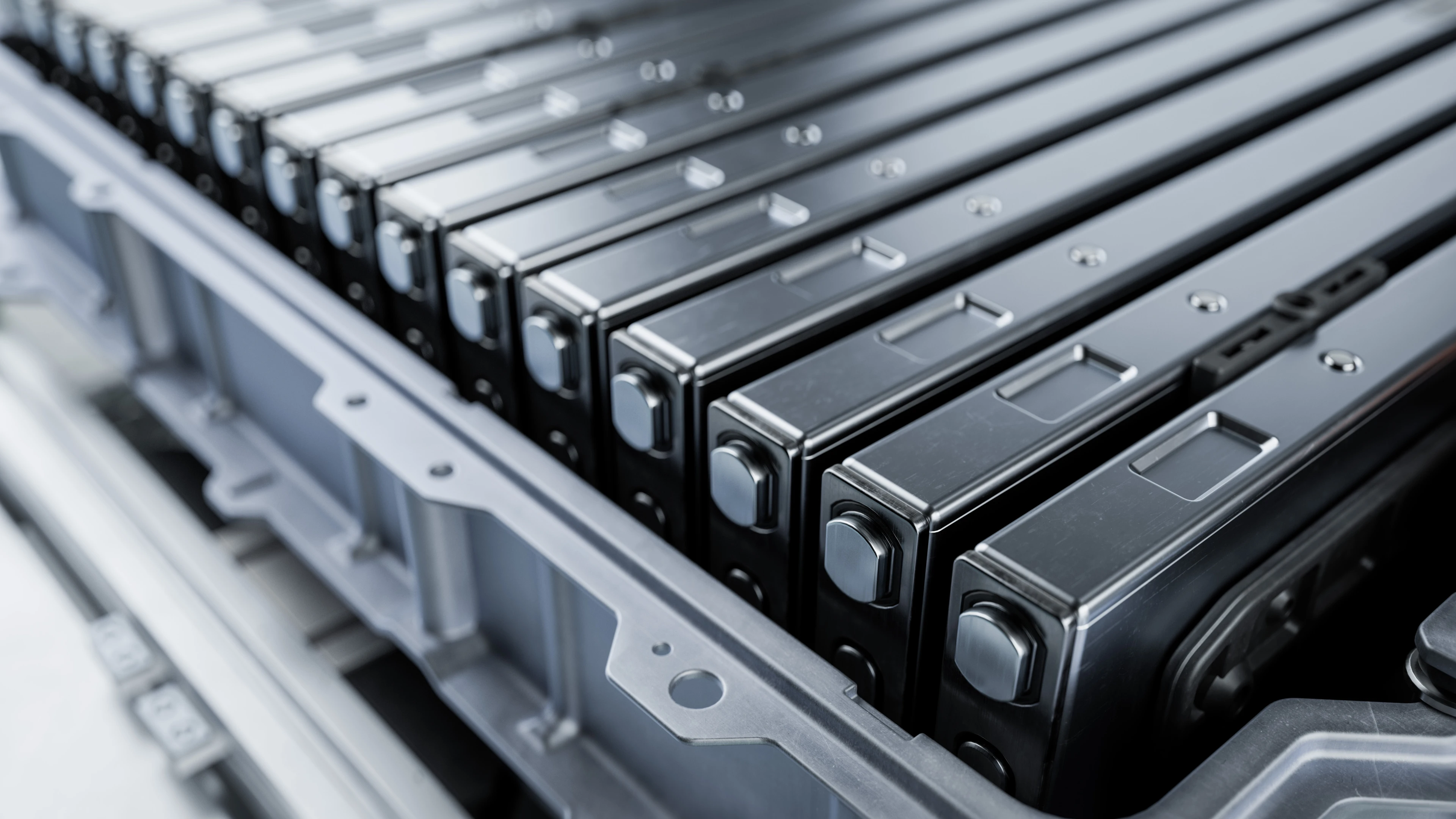
The importance of the battery economy
Batteries matter because they sit at the centre of industrial electrification, energy storage, power management and more resilient energy systems.
For SMEs, the important point is that the battery economy is not one single market. It is a wider industrial system, part of a broader process that might be described as batteryfication: the spread of battery-powered capability into more and more products, vehicles, processes, and industrial assets as batteries become smaller, more powerful, and longer-lasting.
Within the Future Skills Hub, batteries sit under the banner of Energy Transition Systems alongside Hydrogen. Their relevance lies not only in net zero and transport policy, but also in the broader growth of advanced manufacturing, power electronics, and circular economy services.
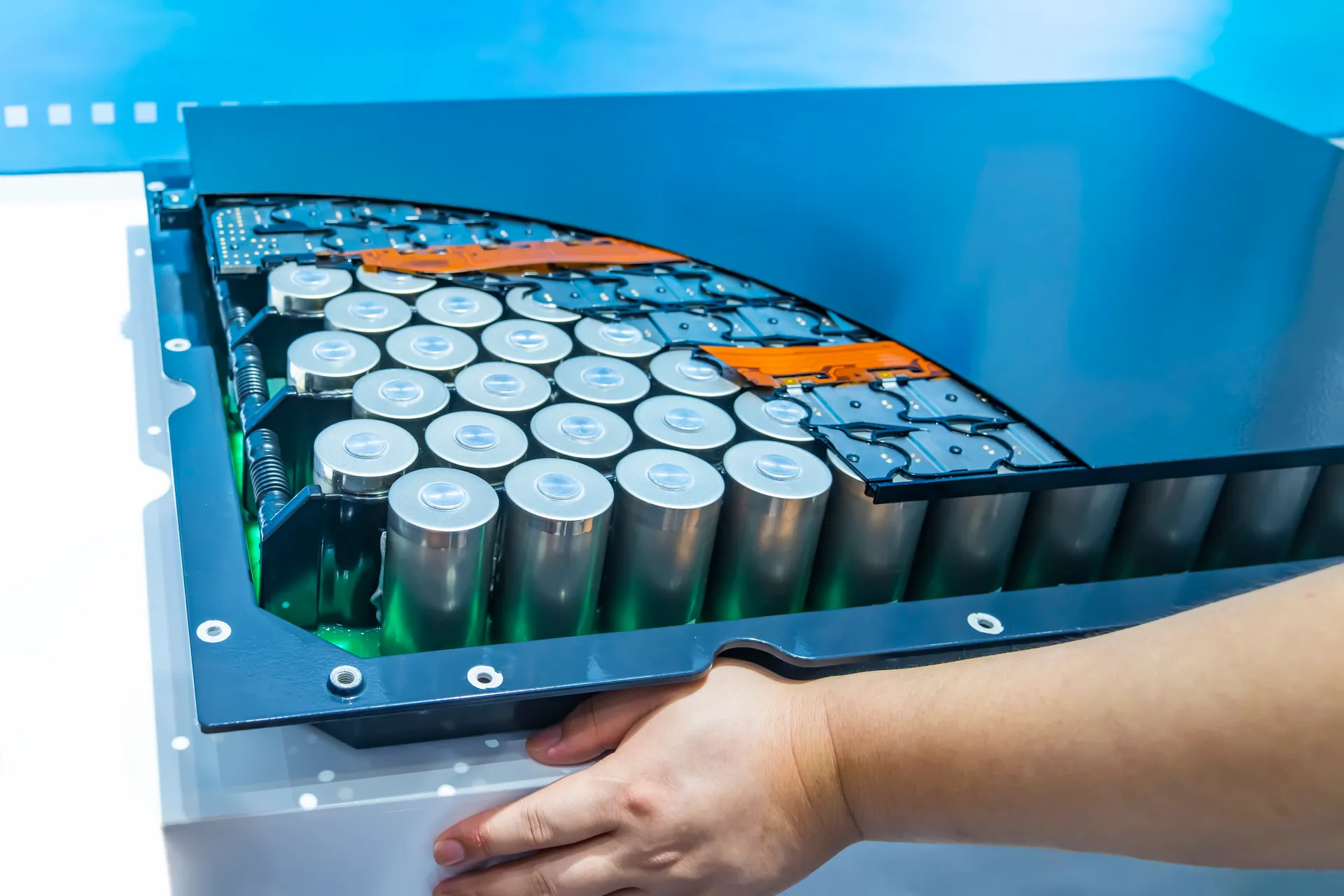
Why batteries matter for SMEs
Most SMEs will not enter the market by building a gigafactory. More realistic routes into the battery economy often sit in the wider value chain, for example:
Where the main opportunities sit
Materials and pre-processing
Cell manufacturing support
Packs, modules, and systems
Software and digitalisation
Circular economy
Why timing and policy matter on battery production
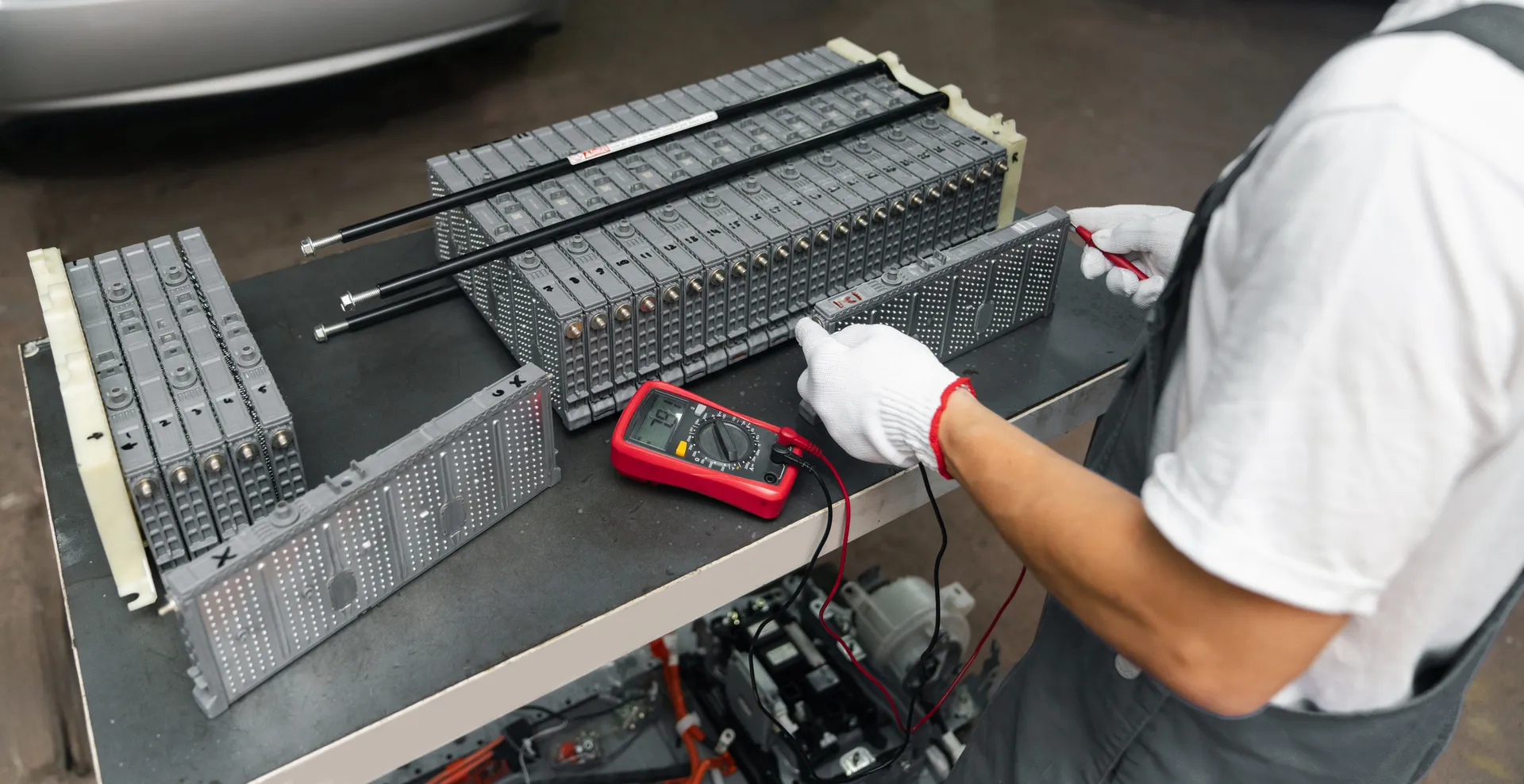
The battery sector skills that matter most
Cross-disciplinary engineering
Manufacturing readiness
Safety and compliance
Circular skills
Practical steps for SMEs to consider
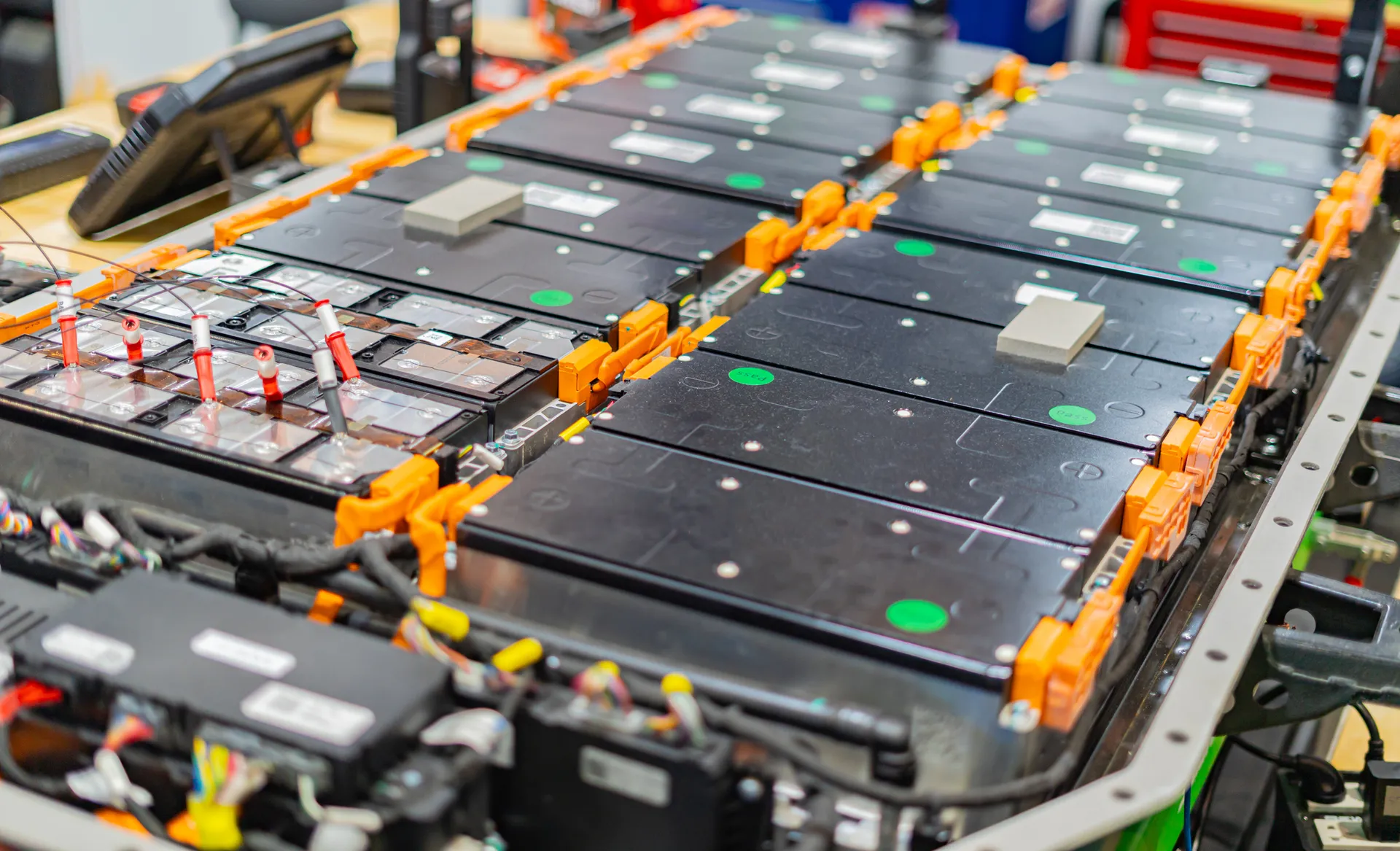
Practical steps for SMEs
1. Look for value-added niches
2. Use national facilities and programmes
3. Build skills partnerships
4. Explore circular economy routes
5. Specialise without becoming isolated
Key support available
SMEs can access useful support through these organisations, which can help with industrialisation, market visibility, skills planning, and scale-up.
Wider battery innovation, training, and circular economy networks can also provide support.
Summary
For engineering and manufacturing SMEs, batteries are not just about gigafactories or major headline investments.
They are part of a growing industrial ecosystem in which value is created across materials, systems, software, testing, integration, and circularity.
SMEs are most likely to succeed not by chasing the biggest manufacturing headlines, but by identifying adjacent strengths, building trusted positions in specialist parts of the value chain, and developing the cross-disciplinary skills needed for a more electrified industrial system.
For many SMEs, one of the most practical first steps is to see batteries not only as something to manufacture for others, but as part of a wider shift in how energy is stored, managed, and used across their own operations and supply chains.
The Future Skills Hub is here to help firms move from general interest in batteries to practical, credible routes into the market.
Shape the Future Skills Hub
Your expertise and insights are invaluable. If you have content, resources, or feedback to enhance the Future Skills Hub, we want to hear from you! Let’s collaborate and shape the future of engineering and manufacturing.
Get in touch