
- What we do
- Our impact
- The Policy Centre
Pledge your support
Help us represent the SME voice and join us in shaping the sector.
- Research & insights
- Training & funding
- Tools & resources
- Alliance
- Skills Awards
Hydrogen
Hydrogen is often presented as a major future market, but for SMEs it is more useful to think of it as an emerging industrial system rather than a single technology.
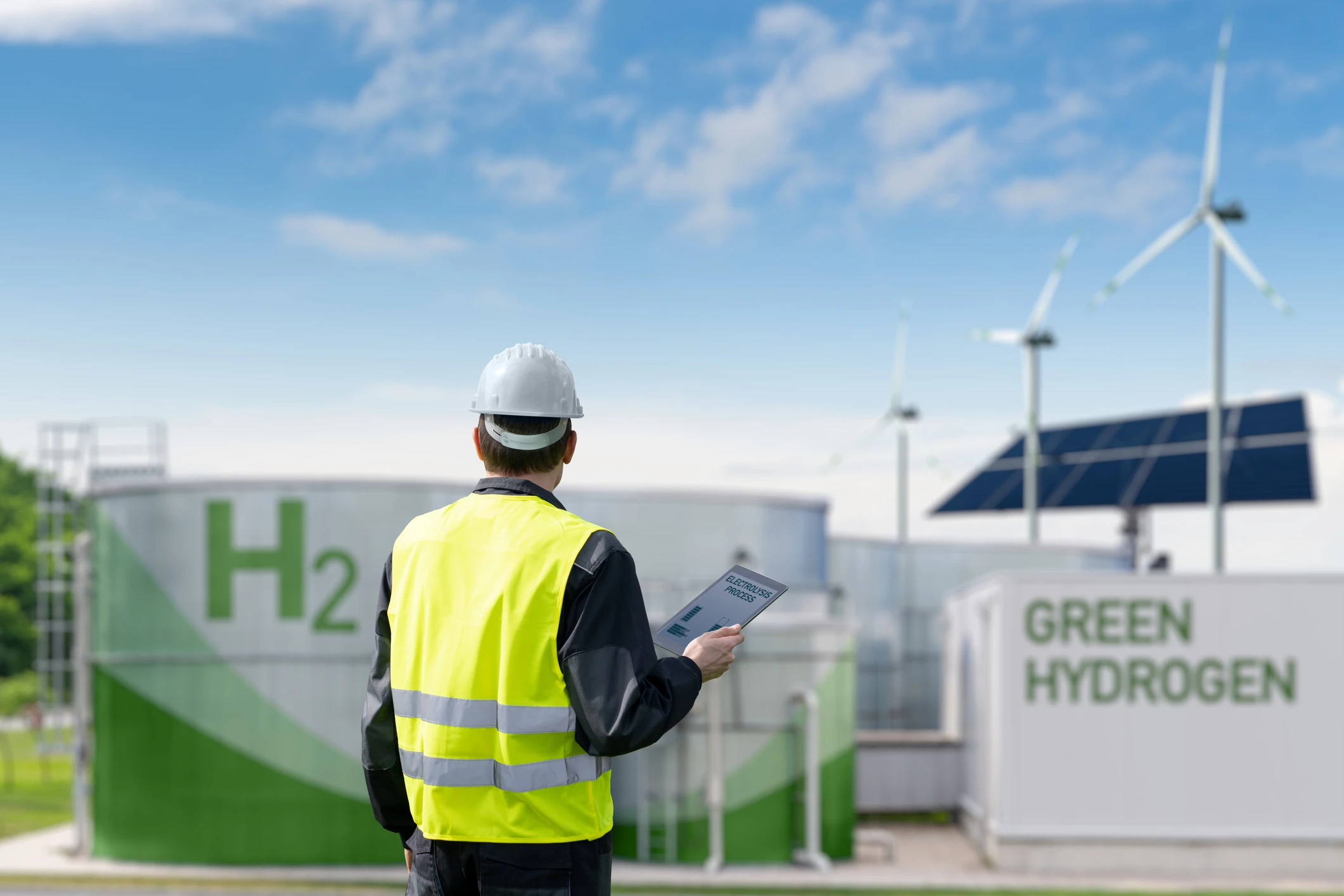
Why is hydrogen important?
Its importance lies not only in its low-carbon potential, but in its potential role in harder-to-electrify parts of the economy such as industrial heat, heavy transport, flexible power, ports and logistics applications.
It also connects to wider storage and conversion questions, including ammonia and fertiliser-related routes that link hydrogen to longer-duration energy use.
Within the Future Skills Hub, Hydrogen sits alongside Batteries under the banner of Energy Transition Systems.
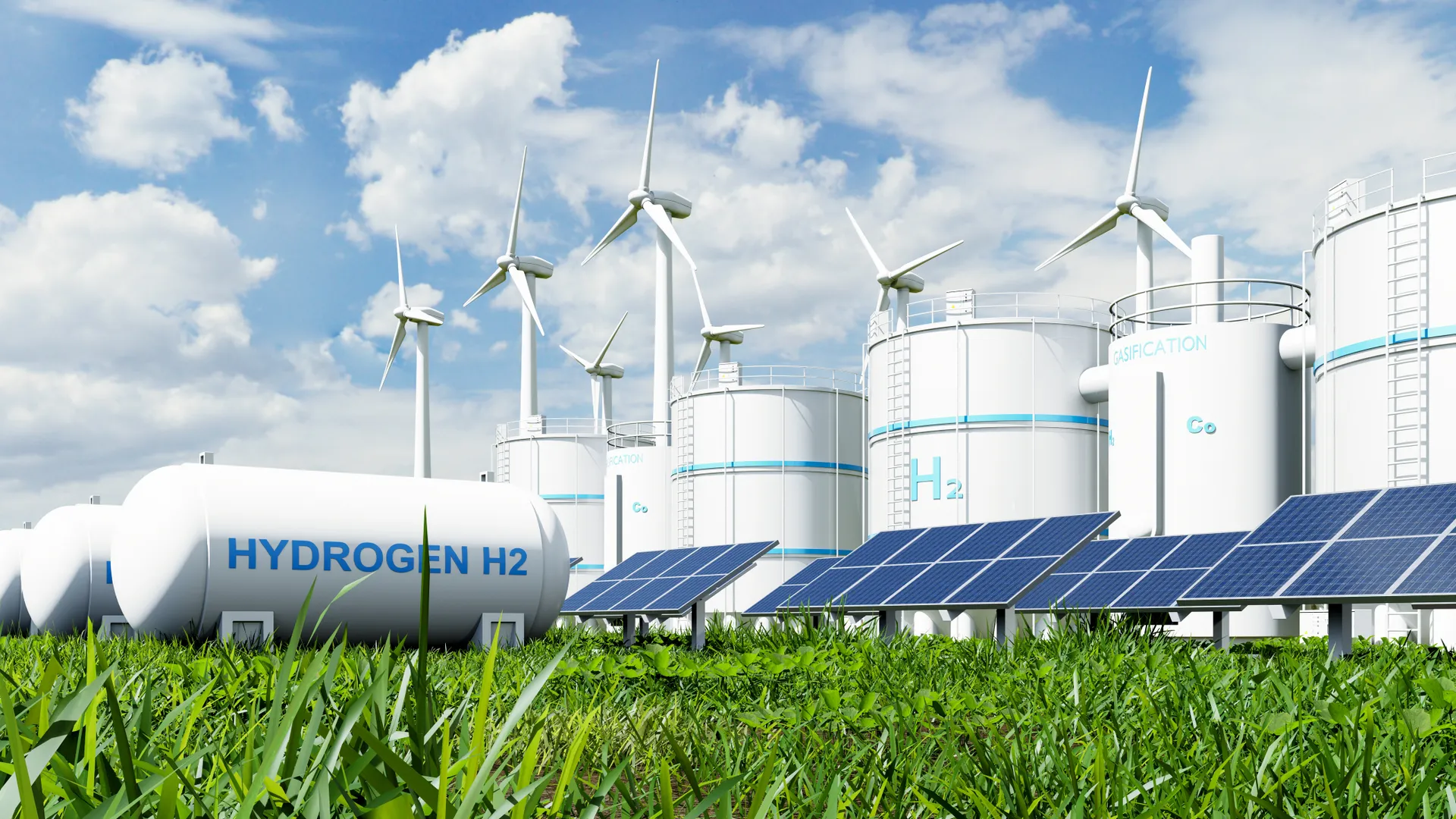
What are the opportunities across the supply chain?
Hydrogen has to be produced, stored, transported and used through a chain of equipment, services and infrastructure.
That means opportunities are spread across a wide value chain, from electrolysers and compression systems to piping, valves, storage vessels, controls, safety systems, installation and maintenance.
For most SMEs, the opportunity is unlikely to lie in becoming a major hydrogen producer. It is more likely to lie in supplying parts, subsystems, engineering services and integration support.

What are the opportunities for SMEs?
Some SMEs may find routes into the hydrogen market through:
- Fabrication of pressure systems and pipework
- Valves, sensors and control systems
- Power electronics and skids
- Site integration and installation
- Maintenance, testing and commissioning
- Hydrogen-linked waste and circular economy projects.
This makes hydrogen less a single destination market and more a developing landscape with multiple entry points.
The market is still early, but it is no longer hypothetical.
The Hydrogen Energy Association’s 2026 State of the Hydrogen Nation report drew on 142 organisations across the UK hydrogen value chain.
Moreover, the Energy Systems Catapult’s Hydrogen Landscape has identified more than 60 companies working across six hydrogen subsectors.
Understanding the value chain of hydrogen and energy transition systems
Production
Transport and storage (T&S)
End use
Cross-cutting services
Why timing and policy matter
Hydrogen is a policy-shaped market.
The UK Government continues to target up to 10GW of low-carbon hydrogen production by 2030, supported by allocation rounds, funding and infrastructure planning. That means opportunity is influenced not only by technology readiness, but also by policy support, standards, place-based development and project pipelines.
For SMEs, this has two main implications:
- Timing matters — some opportunities are already emerging in demonstration and early deployment projects, while others depend on later infrastructure build-out.
- Place matters — opportunities are likely to be stronger around industrial clusters, ports, major sites and regional hydrogen activity than in a uniform national market.
Hydrogen does not always require entirely new occupations. In many cases it involves building on existing engineering skills and combining them with hydrogen-specific knowledge.

The hydrogen skills that matter most
Technical cross-training
Safety and compliance
Systems integration
Installation, commissioning, and maintenance
Practical steps for SMEs to focus on hydrogen capability
1. Identify adjacent capability
2. Focus on modular and integrative work
3. Build skills partnerships
4. Make active use of networks
5. Explore hydrogen-linked circular opportunities
6. Build compliance capability early
Key support available
Resources available

Summary
For engineering and manufacturing SMEs, hydrogen is not one market arriving all at once. It is a developing industrial system with multiple access points, uneven timescales and real capability demands.
SMEs are most likely to succeed not by chasing the biggest headlines, but by identifying adjacent strengths, building trusted positions in subsystems and services, and developing the safety, integration and partnership skills needed to operate in a more complex energy landscape.
The Future Skills Hub is here to help firms move from general interest in hydrogen to practical, credible routes into the market.
Shape the Future Skills Hub
Your expertise and insights are invaluable. If you have content, resources, or feedback to enhance the Future Skills Hub, we want to hear from you! Let’s collaborate and shape the future of engineering and manufacturing.
Get in touch