Sustainability & circular economy

Sustainability is no longer a side issue for engineering and manufacturing SMEs. It is increasingly tied to energy costs, material security, customer requirements, procurement rules and long-term competitiveness. An opportunity exists to become better positioned for future markets.

Green technology. Environmental technology concept. Sustainable development goals. SDGs

The importance of sustainability & circular economy

Sustainability refers to operating in a way that meets current needs without compromising future resources. Circular economy refers to keeping materials, products and systems in use at their highest value for as long as possible.

Now that SMEs within the sector have grasped the importance of sustainability and its potential, circular economy thinking is part of that shift. In practice, it means keeping materials, products and energy in use at their highest value for as long as possible, so that products last longer and can be repaired, refurbished, reused and recycled rather than simply discarded.

The global economy is estimated to be only around 7–8% circular, highlighting the scale of the opportunity.

Within the Future Skills Hub, this theme sits under the banner of Net Zero Production and Circular Industry alongside Retrofit & remanufacturing. Its purpose is not simply to help firms “be greener”, but to help them become more resource-efficient, more resilient and better positioned for future markets.
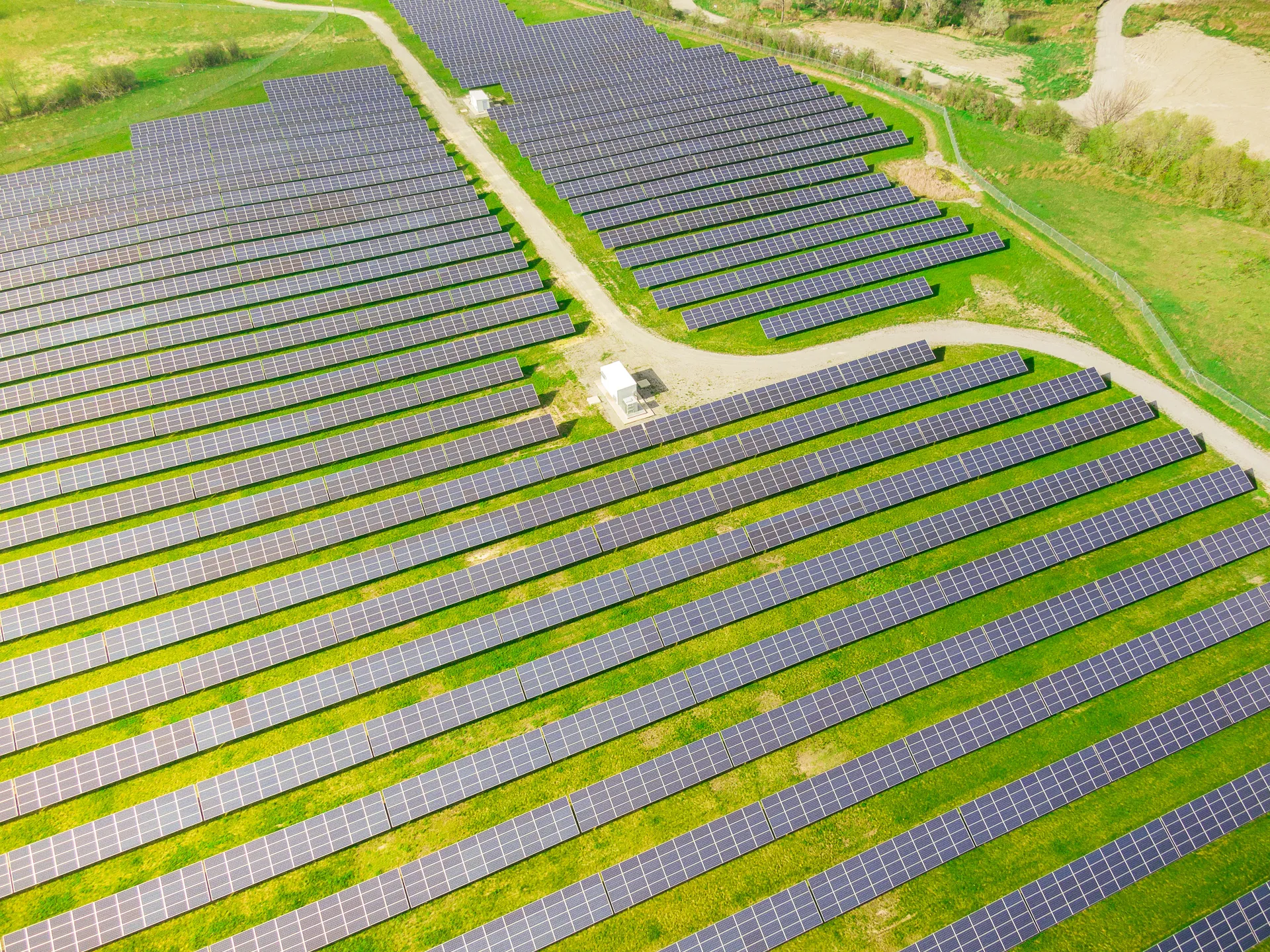
Sustainability image

Why sustainability and circularity matter to SMEs

For most SMEs, sustainability and circularity are not abstract concepts. They show up in day-to-day questions such as:

  • How much energy production uses
  • How much material is lost through scrap, rework or waste
  • How exposed the business is to volatile input prices
  • What customers are beginning to ask for on carbon, waste and recycled content
  • Whether products could create more value through repair, upgrade or recovery.

This is why sustainability and circularity increasingly sit together. 

Both are about using energy and materials more intelligently, reducing value loss and building stronger long-term business models.

For SMEs, the most practical opportunities often begin on the shopfloor.

Where the main opportunities sit

Waste, yield, and resource efficiency

Many of the quickest gains still come from reducing scrap, rework, material waste and energy loss.

Energy efficiency and process improvement

Energy mapping, digital monitoring, electrification readiness, and waste-heat recovery are becoming more important, especially where production is energy-intensive.

Materials and circular design

Circularity reaches upstream into choices about recycled content, material substitution, design for disassembly, and the ability to work with recovered or variable feedstocks.

Repair, reuse, and value retention

Circular economy opportunities are not limited to recycling. They may also include repair, refurbishment, re-manufacture, take-back models, and stronger product-life extension services.

Data and traceability

Circularity often depends on better information: what materials are in a product, how it has performed, and whether components can be safely reused or recovered.

Why policy and markets are changing

Sustainability and circularity are becoming more commercially important because customers and policymakers increasingly expect them.

Larger firms and public-sector buyers may now ask suppliers for:

  • carbon information
  • waste and recycling data
  • recycled content
  • repairability or take-back arrangements
  • evidence of lower-impact production methods.

At the same time, UK policy is moving in this direction through:

For SMEs, the key point is that even where regulation does not apply directly, it often reaches them through supply chains, procurement, and customer expectations.

The skills that matter most in sustainability and the circular economy

Sustainability and circularity do not just require new technologies. They require new combinations of skills. For many SMEs, the challenge is not one missing specialist; it is how to combine engineering, digital, and commercial capability more effectively.
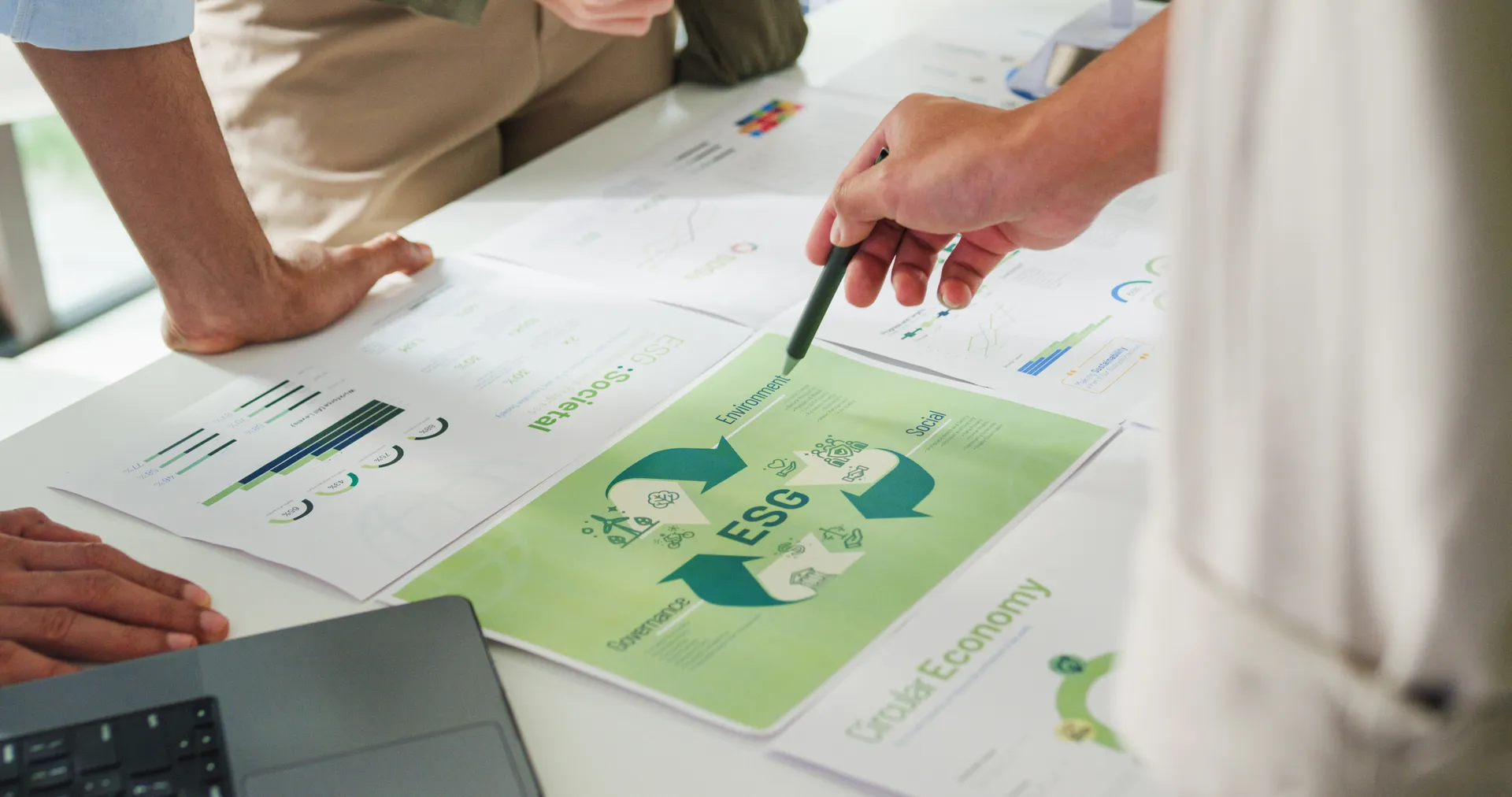
Closeup group businesspeople talk ESG strategies risk management workshop, SDGs report, global warming, green finance investment eco friendly and net zero waste in boardroom training building

Key capability areas

Technical sustainability capabilities

Energy systems understanding, process energy mapping, waste-heat recovery, lifecycle thinking, and materials selection.

Digital and data capabilities

Measurement, monitoring, traceability, condition data, and process optimisation.

Commercial and business model capabilities

Working with take-back models, service-led offers, secondary materials, warranty on reused goods, and longer-life customer relationships.

Design for circularity

Designing products so they are easier to disassemble, repair, upgrade, separate, and recover.

Whole-system design

Sustainability and circular economy require considering the full design of manufacturing processes and products/services, including materials, energy, use phase, and end-of-life.

Practical steps for SMEs

1. Establish a baseline

Understand where energy, waste, scrap, and material losses are greatest.

2. Carry out practical trials

Test measures such as waste segregation, heat recovery, yield improvement, repair pilots, or component recovery.

3. Build what works into the business

Embed successful measures into operations, design, and customer offers.

4. Think about strategic positioning

Use sustainability and circularity to strengthen your role as a supplier, reduce costs, and create new service opportunities.

Summary

For engineering and manufacturing SMEs, sustainability and circular economy are no longer optional extras.

They are becoming part of how firms defend margins, manage resource risk, respond to customers, and compete in future markets.

The businesses that make progress are unlikely to be those that start with the most elaborate sustainability language. They are more likely to be those that understand their energy and material flows, use data to improve visibility, pilot practical circular measures, and build the skills needed to retain more value across the life of products and assets.

The Future Skills Hub is here to help firms move from general awareness to practical action on sustainability and circular industry.

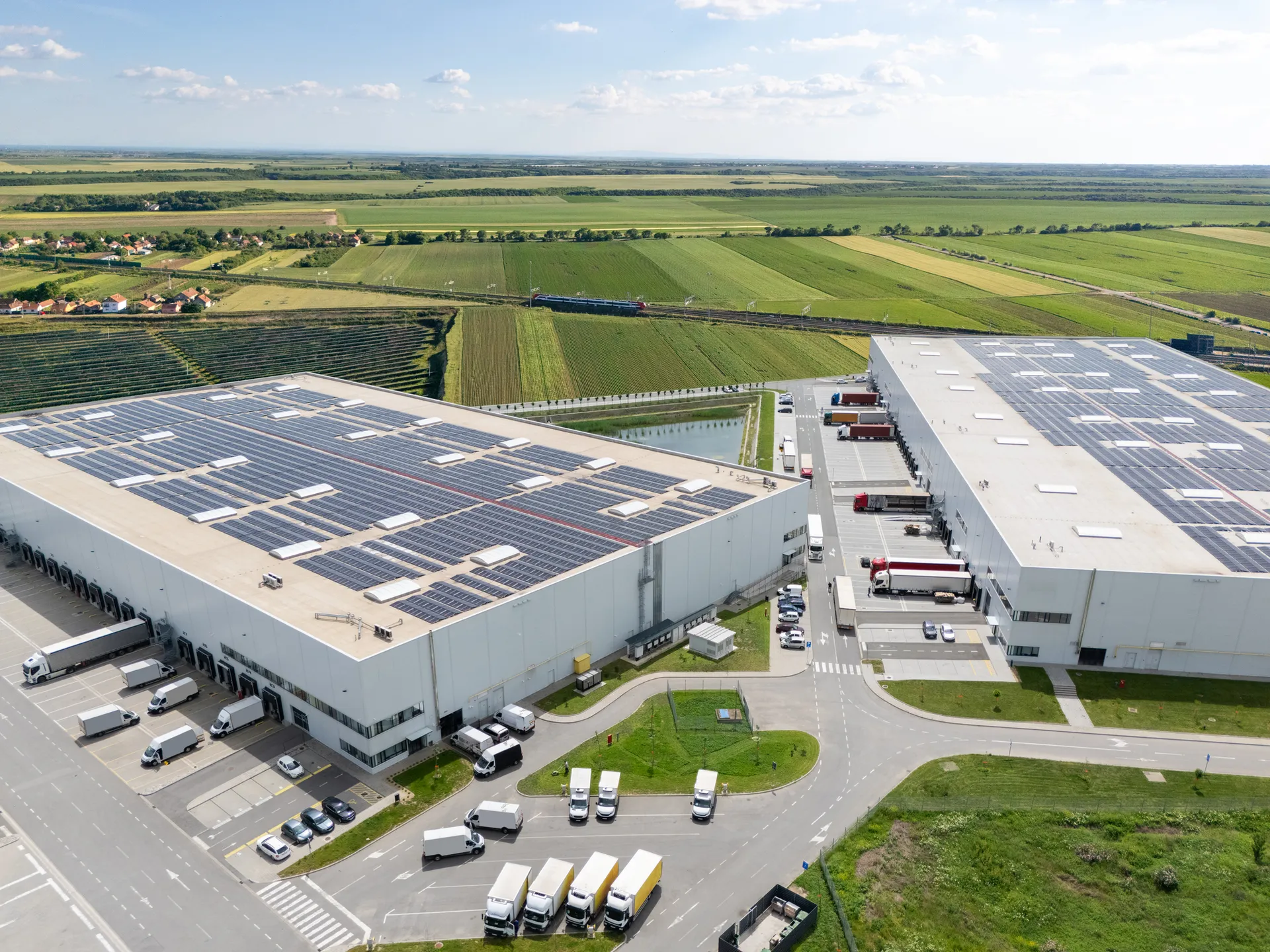
Logistics center with solar panels on roofs. Aerial view. Drone view of a modern warehouse.

Shape the Future Skills Hub

Your expertise and insights are invaluable. If you have content, resources, or feedback to enhance the Future Skills Hub, we want to hear from you! Let’s collaborate and shape the future of engineering and manufacturing.

Get in touch

circular-pattern-rotation