Retrofit & remanufacturing

For many engineering and manufacturing SMEs, the route to lower-carbon, more competitive production will not begin with building entirely new facilities. It will begin with making better use of what already exists.
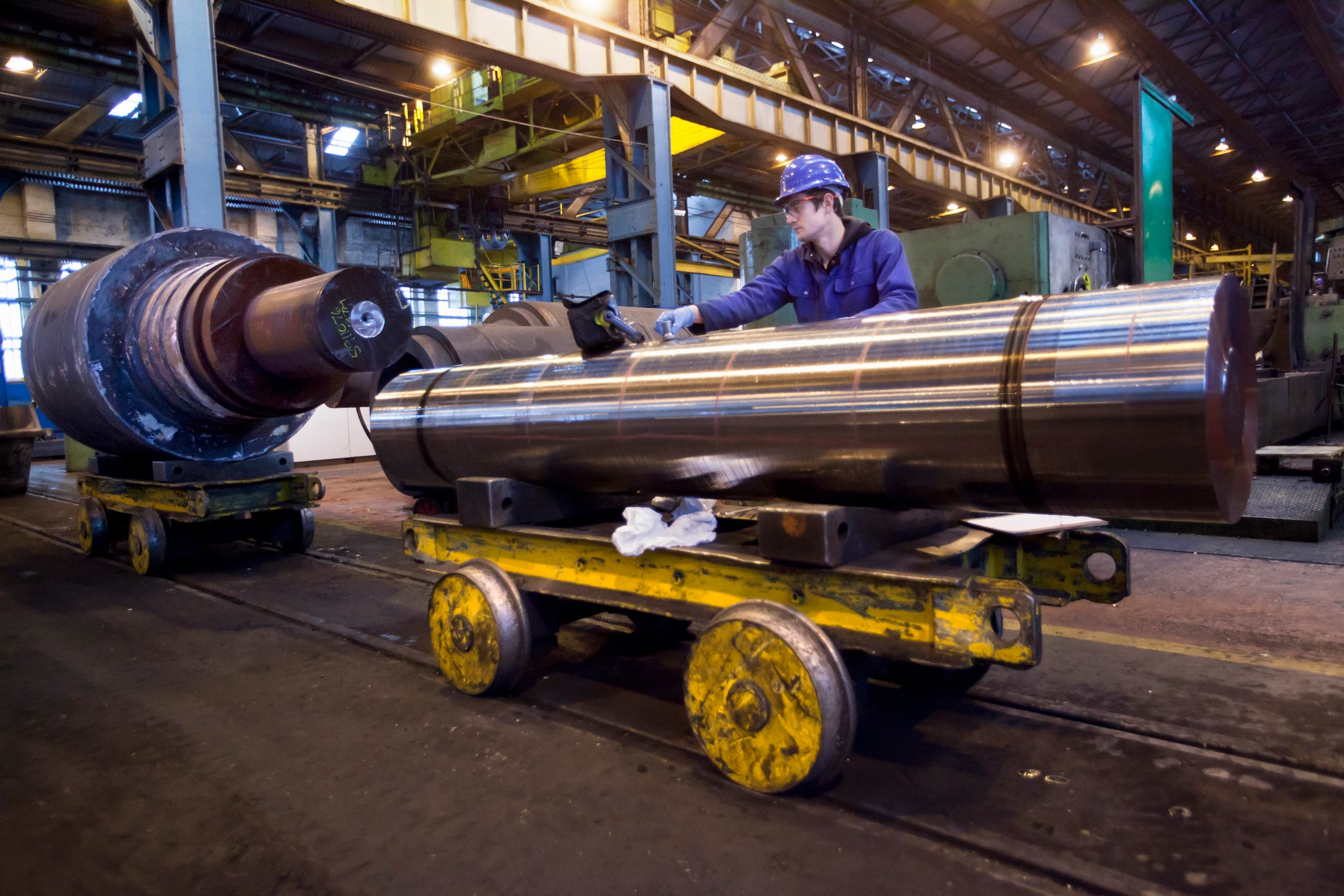
Worker cleaning metal in steel forge

The importance of retrofit and remanufacturing

Making better use of what already exists means upgrading legacy machinery, extending asset life, recovering higher-value components, and creating more value through repair, refurbishment, remanufacturing, and reuse.

Within the Future Skills Hub, this theme sits under the banner of Net Zero Production and Circular Industry, alongside Sustainability & circular economy. Its purpose is not simply to reduce waste, but to help firms become more productive, more resource-efficient, and more commercially resilient.
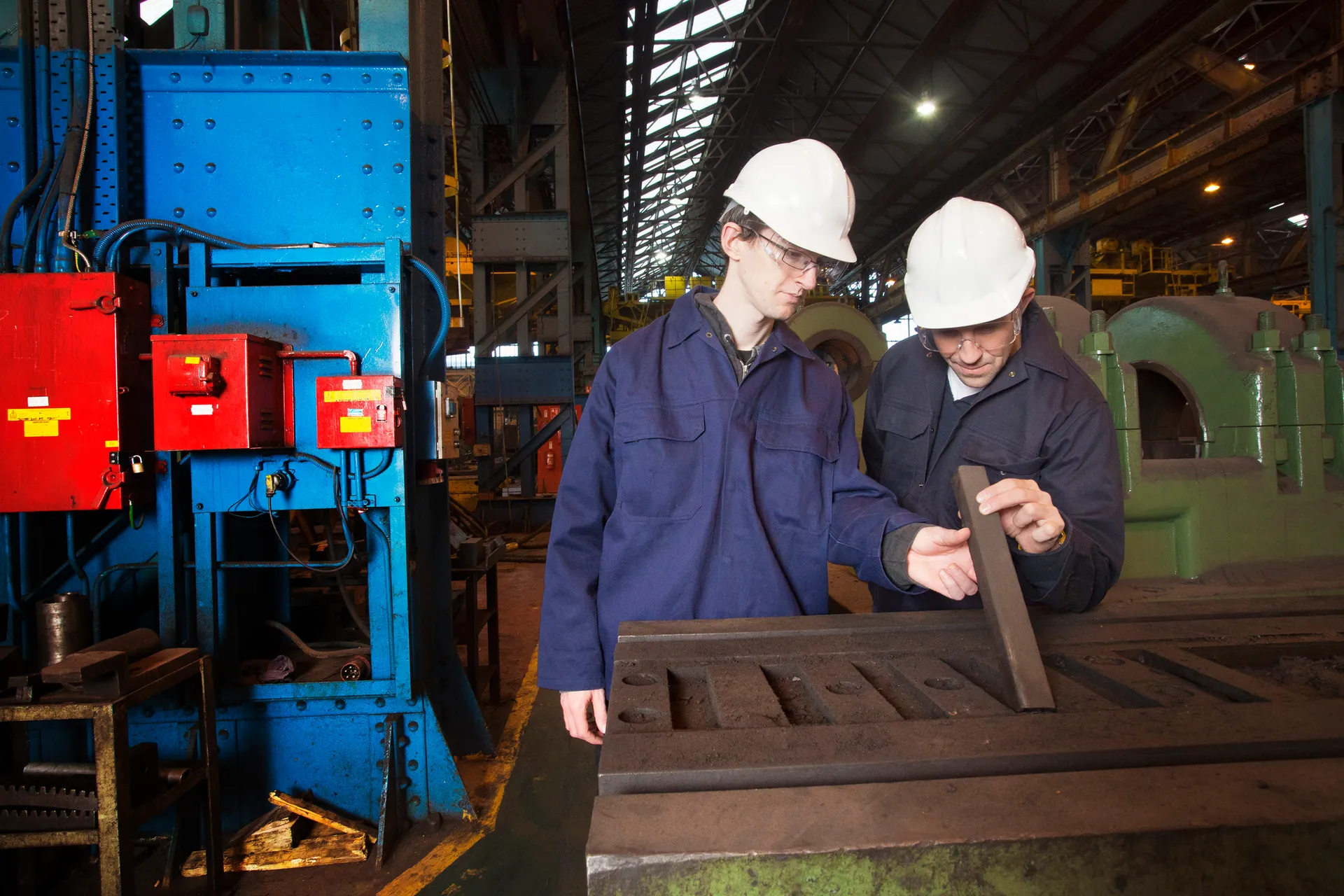
Workers examining metal in steel forge

Why retrofit and remanufacturing matter to SMEs

For most SMEs, retrofit and remanufacturing are practical business issues rather than abstract sustainability concepts.

They matter because they can help firms:

  • avoid unnecessary replacement costs
  • reduce capital intensity
  • improve uptime and efficiency
  • recover more value from used products and components
  • create new service-led revenue streams
  • respond to growing customer interest in lower-carbon and longer-life products.

Retrofit is about upgrading existing machinery, systems, or facilities rather than replacing them outright. Remanufacturing is about restoring used products or components to renewed service life through disassembly, cleaning, testing, repair and requalification.

In manufacturing, retrofitting refers to the process of upgrading older, existing machinery or production systems with new components, software, or technology. Instead of purchasing expensive brand-new equipment, manufacturers update tried-and-tested assets to extend their useful life and bring them up to modern performance and automation standards. Typical retrofit areas include technological and IoT upgrades, control systems, and safety and compliance improvements. Remanufacturing is an industrial process that rebuilds used or worn products to at least their original specifications. It involves complete disassembly, cleaning, inspection, and the replacement of broken or obsolete parts. The result is a 'like new' product that typically comes with a warranty equivalent to, or better than, that of a brand-new item.

Remanufacturing is therefore more demanding than ordinary repair, which usually restores a fault or replaces a limited number of parts without fully rebuilding or requalifying the product. It also differs from recycling, where products are broken down to recover raw materials rather than preserved as higher-value components or complete systems.

Both are increasingly part of how SMEs can compete in a more circular industrial economy.

Where the main opportunities sit in retrofit and remanufacturing

Legacy equipment and smart retrofit

Adding sensors, controls, PLC upgrades, OT/IT integration, or energy-management systems to existing machinery can improve performance without full replacement.

Service, repair, and upgrade models

Many firms can create more value by extending asset life through maintenance, upgrades, retrofit kits, or specialist repair services.

Remanufacturing and component recovery

High-value components can sometimes be recovered, reconditioned, tested, and returned to market rather than scrapped.

Reverse logistics and returns

Take-back, inspection, grading, and part recovery are becoming more important where firms want to retain value at end of life.

Sector-specific circular opportunities

The route into retrofit and remanufacturing varies by sector. Aerospace may focus on certification and component life extension. Automotive may focus on parts recovery and remanufactured systems. Food equipment may focus on control upgrades, hygienic design, and thermal efficiency.

Why policy and markets are changing

Retrofit and remanufacturing are becoming more important because customers are under pressure to reduce embodied carbon, improve asset productivity, and avoid wasteful replacement cycles.

At the same time, policy and innovation support are increasingly moving in this direction. 

The Advanced Manufacturing Sector Plan, the Circular Economy Taskforce, and innovation programmes linked to digital and sustainable manufacturing all point towards stronger interest in value retention, lower-carbon production, and longer-life assets.

For SMEs, the key message is that this is not only a technical issue. It is increasingly part of industrial competitiveness, supply-chain resilience, and customer expectation.

The skills that matter most in retrofit and remanufacturing

Retrofit and remanufacturing require a different mix of skills from traditional linear production. For many SMEs, the challenge is not one new specialist role: it is how to combine engineering, digital, and commercial capability more effectively.

Retrofit and remanufacturing also require a higher level of skills than simply buying new equipment, because they depend on detailed practical understanding of the current process equipment and plant, how the whole production system works, and how that system can be improved. They then require firms to design, specify, and integrate replacement or upgraded items successfully. In practice, this calls for a full set of engineering skills across traditional, current, and future technologies.
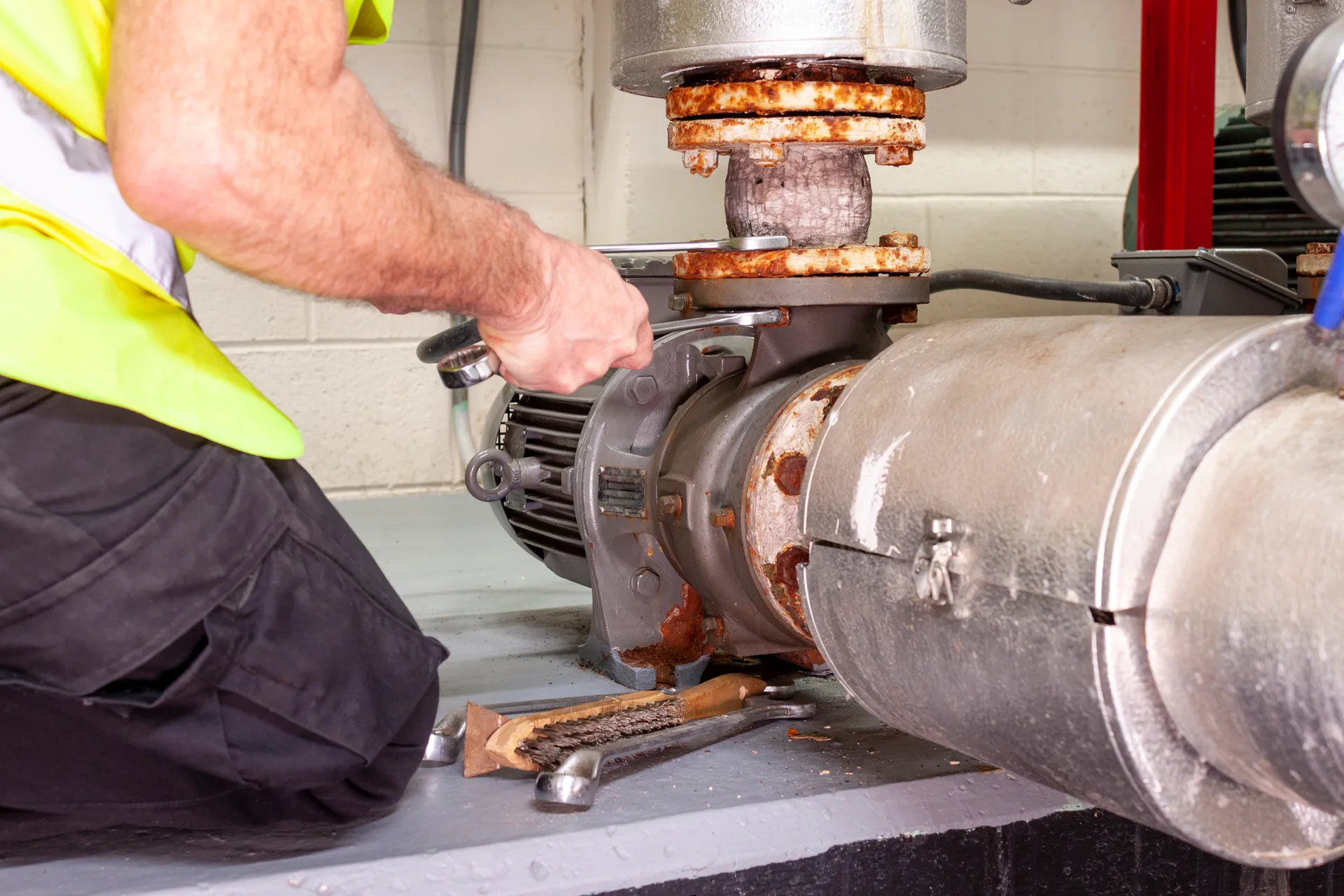
Mechanical engineer in hi viz vest removing a pump joint

Key capability areas

Retrofit engineering skills

Controls and automation retrofitting, PLC upgrades, OT/IT integration, condition monitoring, and cybersecurity for legacy systems.

Inspection and recovery skills

Disassembly engineering, non-destructive testing, cleaning, requalification, and warranty-backed quality assurance.

Digital and data skills

Condition monitoring, traceability systems, digital twins, manufacturing data platforms, and AI-enabled optimisation.

Commercial and service skills

Take-back contracts, service-led business models, pricing of recovered components, and value propositions based on cost, resilience, and carbon savings.

Summary

For engineering and manufacturing SMEs, retrofit and remanufacturing are not fringe sustainability topics.

They are practical ways to lower capital intensity, extend asset life, retain more value, create service-led revenue and meet growing demand for lower-carbon production.

The firms most likely to benefit are not necessarily the ones with the biggest budgets. They are the ones that can connect engineering capability, digital visibility, quality discipline and commercial imagination.

The Future Skills Hub is here to help firms move from general awareness to practical action on retrofit and remanufacturing.

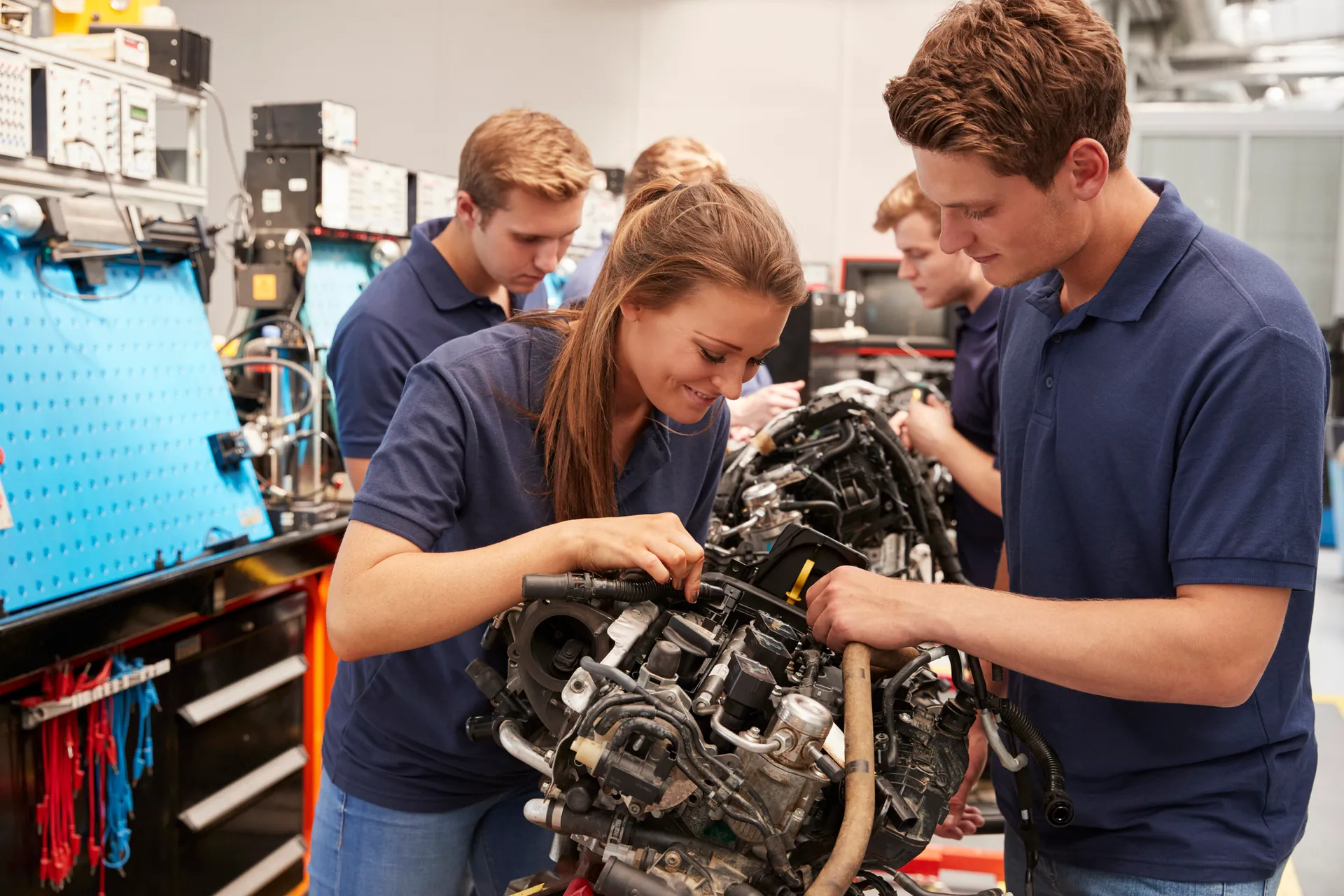
Apprentice car mechanics working on an engine

Shape the Future Skills Hub

Your expertise and insights are invaluable. If you have content, resources, or feedback to enhance the Future Skills Hub, we want to hear from you! Let’s collaborate and shape the future of engineering and manufacturing.

Get in touch

circular-pattern-rotation