- What we do
- Our impact
- The Policy Centre
Pledge your support
Help us represent the SME voice and join us in shaping the sector.
- Research & insights
- Training & funding
- Tools & resources
- Alliance
- Skills Awards
On the road with further education: Enginuity's insights from the South
Date
15/01/2026
Category
News
Written by Maia Rowe-Sampson (Sector Engagement Lead)
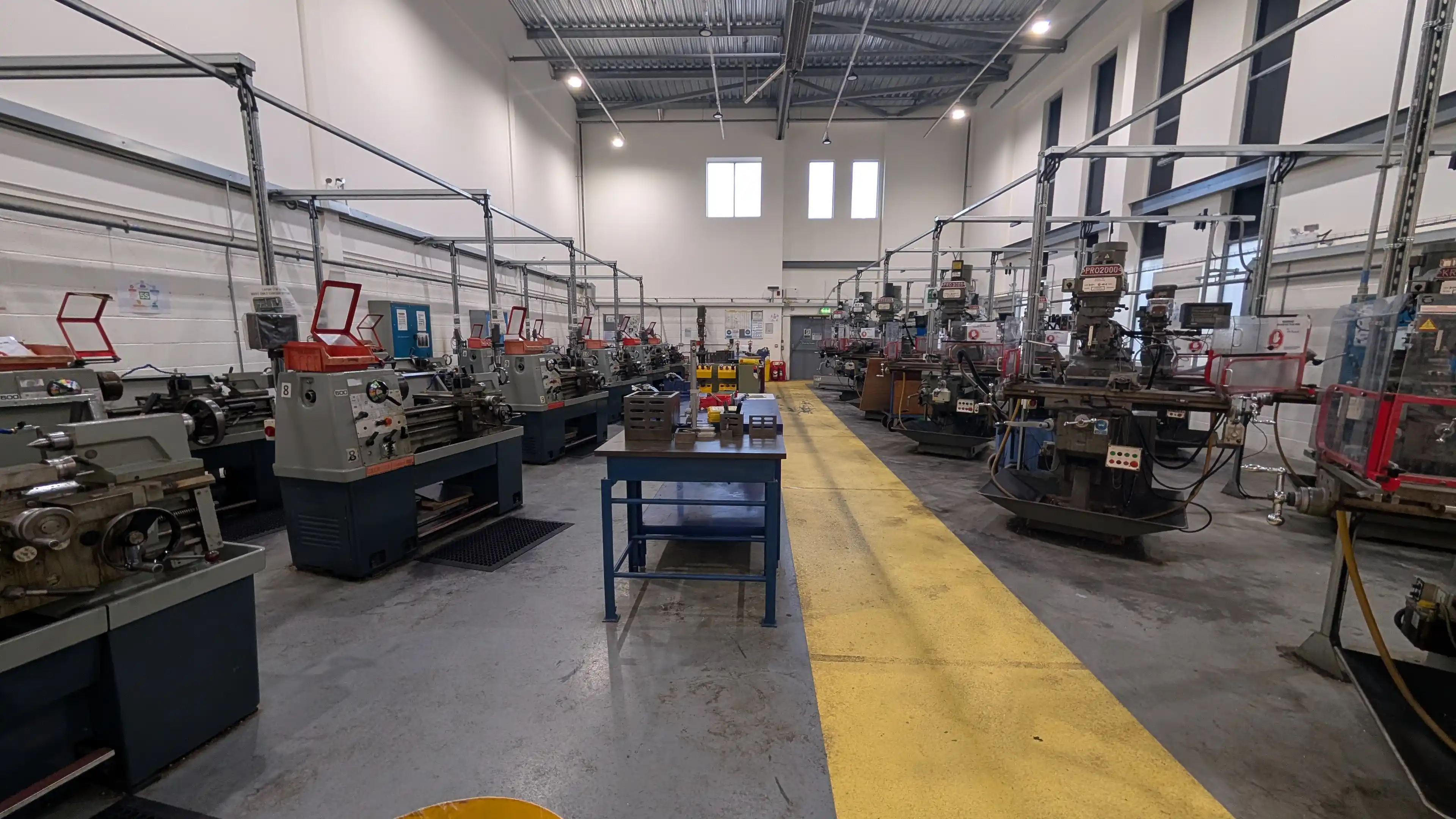
The end of 2025 in the South focused on collaboration between employers and further education. As Sector Engagement Lead, I've had the opportunity to visit colleges across the region, from St Austell to Kent and Bristol to Hertfordshire. I've been consistently impressed by the quality of facilities, the enthusiasm of staff and students, and the calibre of talent being developed in the engineering and manufacturing sector.
What problems are further education institutions facing?
While there are regional variations in the challenges colleges face, some struggling to recruit enough students and others being oversubscribed, two issues are common across all colleges:
- They do not have enough qualified staff, leaving existing teams overloaded
- They struggle to secure sufficient industry placements year on year.
I wanted to share some of the creative solutions and continue to make the case to industry to do more. Closing the skills gap is everyone's responsibility.
How are they tackling these problems?
Cornwall
Both The Cornwall College Group and Truro and Penwith College work exceptionally well with one another and with local employers, supported by the collaborative culture fostered by the Cornwall Manufacturers Group. While colleges are ultimately competitors for students, this model ensures T Level students access the placements they need. Employers are supported and empowered to take on apprentices, act as associate tutors, and openly share challenges. The skills gap is treated as a collective issue, and the work in Cornwall demonstrates how effective this approach can be.
Herford College
At Hertford College, staff are determined not to send students into placements until they are truly ready. The college supports a large cohort of young learners on Level 2 and T Level programmes and, as an institution that does not deliver apprenticeships, has refined its approach to preparing students for the workplace. Employer-set projects play a key role here. Designed and led by local employers, these projects help students develop real-world skills, prepare them for placements, and count towards required placement hours.
Bristol
Larger organisations often operate their own apprenticeship programmes and do not always engage with local colleges. This presents a challenge for City of Bristol College, which faces strong competition from other colleges and internal employer programmes when securing placements. To address this, the college relies heavily on SMEs and adopts a flexible approach. For example, an SME may take three students across the year rather than all at once, with teaching schedules adapted to ensure placement hours are met.
Enginuity's thoughts
It's been invaluable to speak with education professionals and highlights the need for greater collaboration across the sector to ensure students are taught by qualified professionals and access the high-quality placements they need to fill roles in the near future.
At Enginuity, we work to connect the sector, helping to bridge this disconnect and providing expert advice to employers navigating an often complex education system.
Follow along on LinkedIn for more Engagement Team updates
Follow usMore news